Cliff Koh Cambodia Wildlife Safari Tours
Introduction
For travelers craving raw encounters with nature, Cambodia offers far more than temples and beaches. Its sprawling jungles, wetlands, and mountains are alive with exotic animals, vibrant ecosystems, and ancient cultural connections to the wild. When explored in a group, these landscapes transform into shared adventures—moments of awe magnified by companionship and collective discovery.
The Cliff Koh Cambodia Wildlife Safari Tours open the door to this side of Cambodia, taking explorers beyond city streets and into environments where elephants roam, hornbills soar, and gibbons sing at dawn. From trekking deep into the Cardamom Mountains to boating through mangrove-lined rivers, these safaris immerse visitors in some of Southeast Asia’s richest biodiversity.
Group travelers especially benefit from the social and practical aspects of safari tours—shared costs, heightened safety, and the camaraderie of spotting a rare species together. This guide explores the highlights of Cambodia’s wildlife safaris, weaving together cultural stories, natural marvels, practical tips, and secret gems that transform a trip into an unforgettable journey.
The Cardamom Mountains: A Biodiversity Haven
The Cardamom Mountains, one of Southeast Asia’s largest rainforests, form the centerpiece of most Cambodian wildlife safaris. These mist-shrouded peaks are home to elephants, sun bears, and endangered species like the clouded leopard.
For groups, guided treks through the region offer multiple layers of experience. Hiking under the dense canopy, travelers hear the constant hum of cicadas, the rustle of leaves from monkeys overhead, and the distant call of hornbills. Occasionally, guides reveal medicinal plants or point out elusive tracks—adding educational depth to the adventure.
The Cardamoms also provide opportunities for boat rides along rivers, where groups drift quietly past kingfishers and monitor lizards basking on the banks. Night safaris reveal glowing eyes in the underbrush, giving a thrilling sense of wilderness exploration.
Shared amazement becomes part of the memory—whether it’s gasps when a herd of wild elephants crosses the trail or laughter after stumbling through muddy paths together.
Tonle Sap and Wetland Wildlife
Beyond the mountains, Cambodia’s wetlands are equally captivating. The Tonle Sap Lake, Southeast Asia’s largest freshwater lake, transforms dramatically with the seasons and sustains millions of people and countless species.
Wildlife safaris here often include boat trips to spot waterbirds such as storks, ibises, and pelicans. In the floating villages that dot the lake, travelers also encounter unique human adaptations to a shifting water world. For groups, the combination of birdwatching and cultural immersion makes Tonle Sap particularly rewarding.
Venturing further, groups may explore the Prek Toal Bird Sanctuary, a haven for rare and endangered species. With binoculars in hand, travelers marvel at colonies of spot-billed pelicans or the elegant flight of adjutant storks.
Group safaris here encourage teamwork—scanning the skies together, pointing out sightings, and sharing the excitement of spotting something rare. The mix of nature and culture creates a complete, layered experience.
Elephants, Gibbons, and Iconic Wildlife
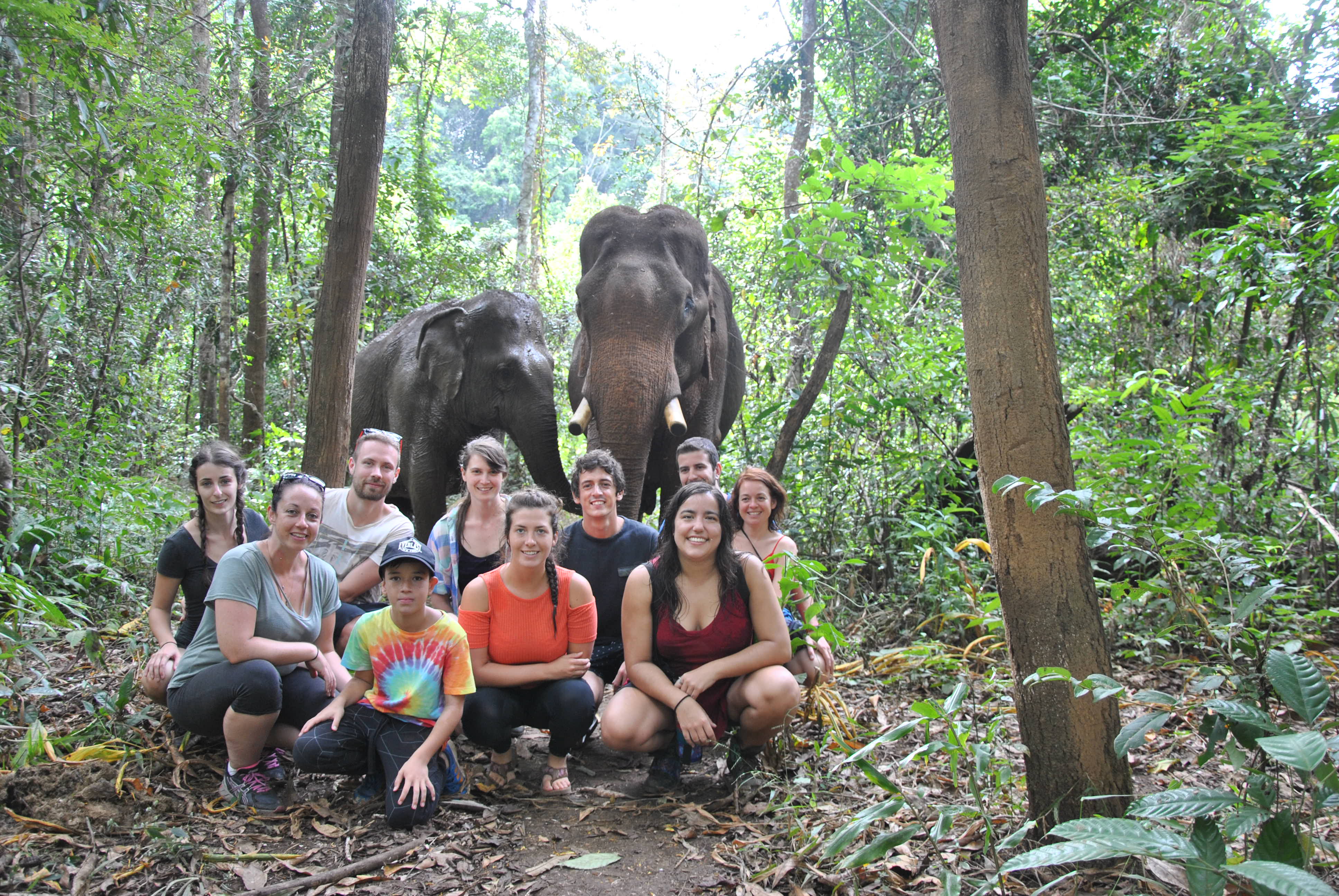
The highlight of any Cambodian wildlife safari is the chance to encounter iconic species. Asian elephants, once widespread, now thrive mainly in protected reserves. Safaris to sanctuaries allow groups to observe them in ethical, conservation-focused settings, where animals roam free without exploitation.
In Mondulkiri Province, the deep forests echo with the calls of gibbons. Early-morning treks offer the best chance to hear or even glimpse these agile primates swinging through the trees. Groups often pause in silence, absorbing the haunting soundscape of the jungle.
Other notable species include macaques, pangolins, and slow lorises, though sightings are less common. For bird enthusiasts, hornbills and brightly feathered kingfishers are frequent highlights.
Group dynamics make these encounters special—excitement multiplies when one person spots movement in the canopy and everyone gathers to witness it. Sharing the thrill of discovery elevates the safari beyond a solo journey.
Cultural Connections to the Wild
Cambodia’s relationship with nature goes beyond wildlife spotting—it is woven into its culture and traditions. Many safari tours incorporate community visits, where groups learn about how local people interact with the land.
In indigenous communities of Ratanakiri and Mondulkiri, guides explain animist beliefs tied to forests, rivers, and wildlife. Rituals honoring guardian spirits reveal a worldview where people and nature coexist symbiotically.
In rural villages, travelers often see how families depend on forest resources for food, medicine, and building materials. Conversations with locals provide perspective on conservation challenges and the delicate balance between tradition and sustainability.
For groups, these encounters are profoundly enriching. They spark discussions about culture, ethics, and the importance of protecting both wildlife and human heritage.
Food and Dining on Safari Journeys
Safari tours in Cambodia also bring culinary exploration, with meals that blend local flavors and outdoor settings.
Packed lunches may feature grilled fish, sticky rice wrapped in banana leaves, and tropical fruits. In village homestays, groups gather around shared platters of amok trey (coconut curry fish) or lok lak (stir-fried beef with pepper sauce). Evening meals might include barbecues under the stars, where the aroma of sizzling skewers mingles with the earthy scents of the forest.
The simplicity of food in these settings enhances the experience. Dining outdoors after a long trek, or sharing fruit while waiting for a boat, adds authenticity and warmth to the adventure. For groups, every meal becomes both nourishment and a celebration of the day’s discoveries.
Travel Tips for Group Safari Tours
Group safaris require thoughtful planning to ensure comfort, safety, and enjoyment. Here are key tips:
- Timing: The dry season (November to April) offers easier access, while the wet season enhances birdwatching opportunities.
- Packing: Essentials include insect repellent, binoculars, quick-dry clothing, and sturdy shoes.
- Safety: Always follow guides’ instructions and respect wildlife by maintaining safe distances.
- Group Organization: Assign roles such as navigator, photographer, and first-aid carrier to streamline responsibilities.
- Eco-responsibility: Bring reusable bottles and avoid single-use plastics to minimize environmental impact.
Proper preparation helps groups focus less on logistics and more on immersion in the safari experience.
Hidden Gems and Side Adventures
Beyond the main safari routes, Cambodia hides lesser-known treasures for adventurous groups.
- Botum Sakor National Park: A remote wilderness where groups might encounter rare species like dhole (wild dogs) or fishing cats.
- Virachey National Park: Cambodia’s largest protected area, offering multi-day treks into pristine jungles near the Laos and Vietnam borders.
- Koh Kong Mangroves: Perfect for boat safaris, where travelers spot saltwater crocodiles and unique estuarine wildlife.
- Bamboo Train in Battambang: While not a wildlife safari, this quirky ride through rural landscapes adds cultural charm to any trip.
These hidden gems add variety to itineraries, ensuring that groups uncover both Cambodia’s celebrated wildlife and its off-the-beaten-path wonders.
Conclusion: Why Group Safaris Create Lasting Memories
Wildlife safaris in Cambodia reveal a side of the country often overlooked but deeply rewarding. Jungles alive with elephants and gibbons, wetlands echoing with bird calls, and cultural connections rooted in nature all combine to create unforgettable adventures.
The Cliff Koh Cambodia Wildlife Safari Tours are particularly powerful for groups, where the thrill of discovery is magnified by shared experience. From spotting hornbills in the canopy to dining on village-cooked meals, each moment is more meaningful when celebrated together.
For travelers seeking both wonder and connection, these tours offer more than just wildlife—they offer memories of exploration, camaraderie, and the profound beauty of Cambodia’s natural world.
